
About the course
The Jubilee occupies the most seaward strip of St Andrews Links, a long and narrow corridor of dunes running parallel to the West Sands. It follows the classic out-and-back pattern of old links golf, with firm, gently rolling turf and only a strip of grassland and the beach road separating it from the shore.
The course opened in 1897 and was named after Queen Victoria’s Diamond Jubilee. It began as a 12-hole layout by John Angus, intended mainly for ladies and beginners, and was extended to 18 holes in 1905. Willie Auchterlonie, the St Andrews professional, oversaw later development and believed it would become the finest championship test in the town, and Donald Steel carried out a thorough redesign in 1989. Today it is used for leading amateur events such as the St Andrews Links Trophy.
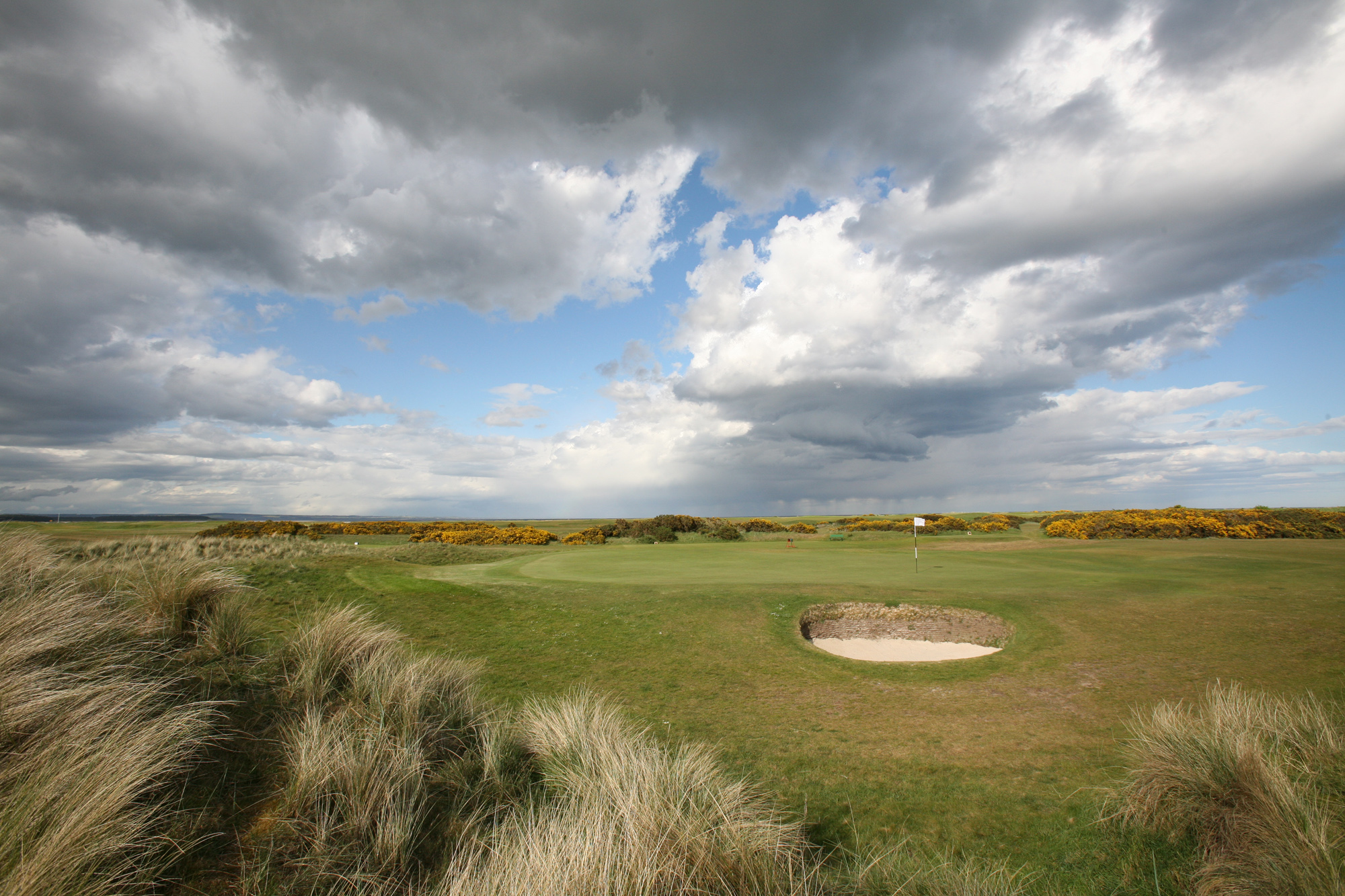
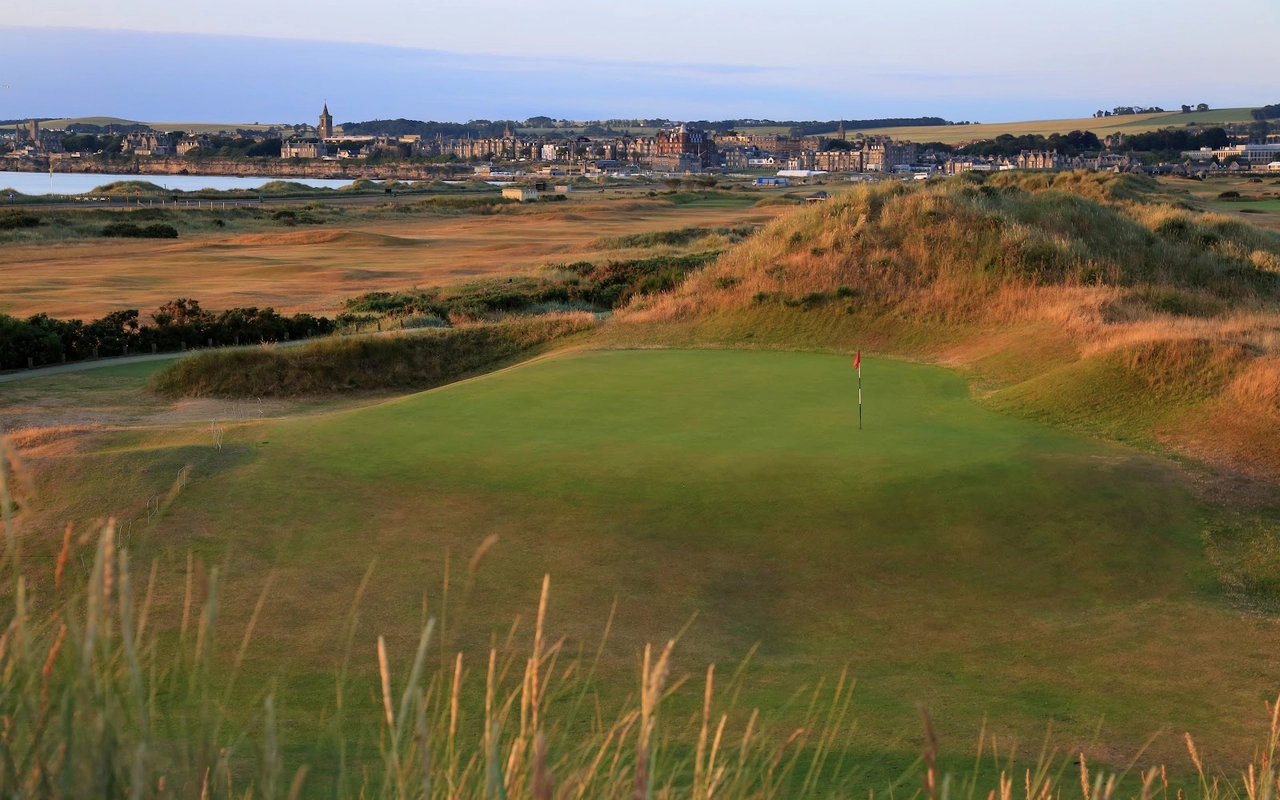
The holes offer more variety than the straightforward routing might suggest, and the bunkering is among the best on the links. The par 4 15th, known as Steel’s Gem, is a good example: it asks for a very accurate drive before an approach that climbs to a well-defended elevated green. Because the course runs out along the beach and back, the wind usually helps on one half of the round and hurts on the other.
Like several Scottish links, the Jubilee faces a long-term threat from coastal erosion, which the Links Trust continues to manage.
Why we recommend it
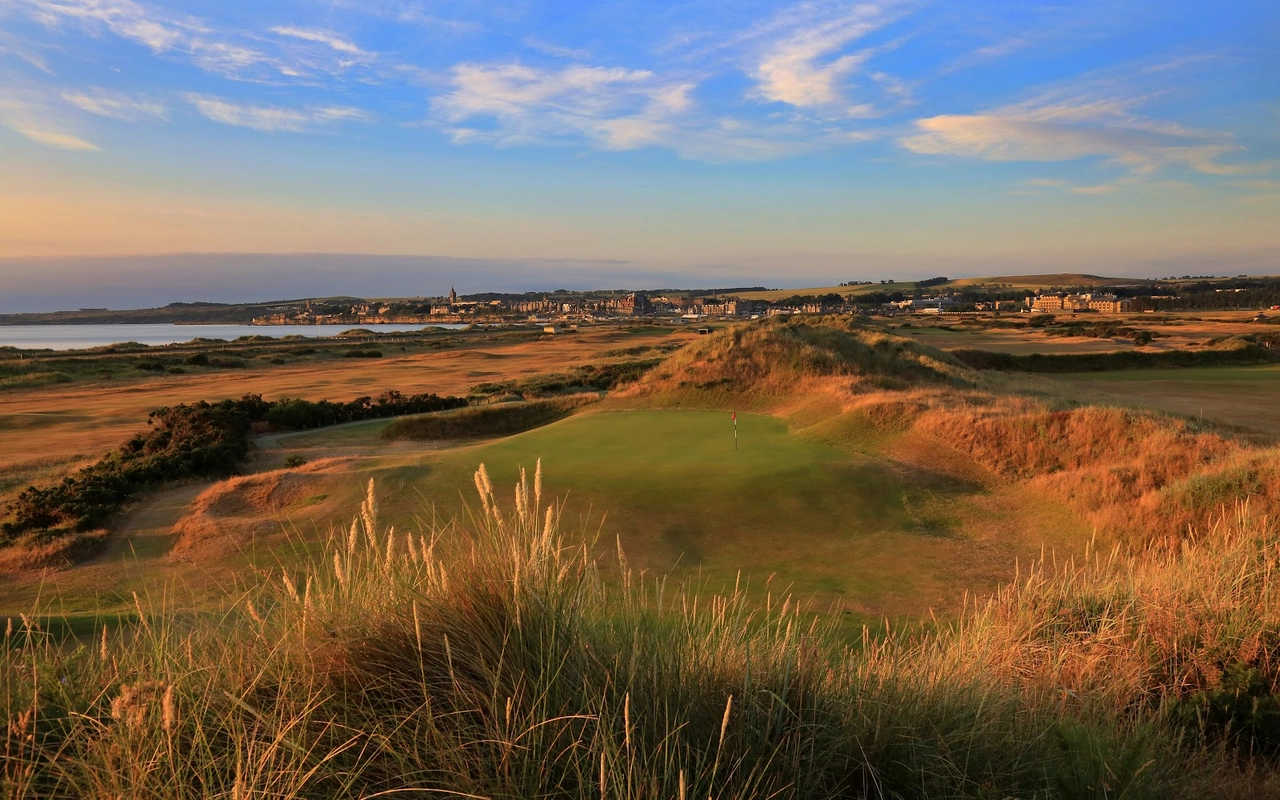
The Jubilee is the toughest of the St Andrews Links courses and the best preparation for the Old Course. It runs between the New Course and the sea, and its raised tees give fine views across St Andrews Bay and back over the other links. Narrow fairways and plenty of gorse demand control off the tee, so it suits more confident players. Being on the same links, it is easy to combine with the Old, New and Castle courses during a week in town.
Photo gallery



| World ranking | – |
| Architect | John Angus, Willie Auchterlonie, Donald Steel |
| Year of foundation | 1897 |
| Par Course | 72 |
| Number of holes | 18 |