
About the course
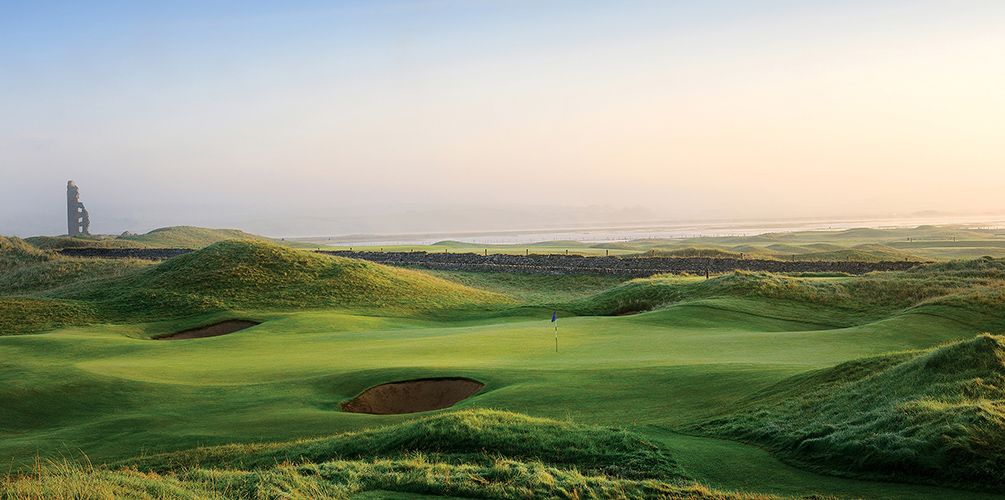
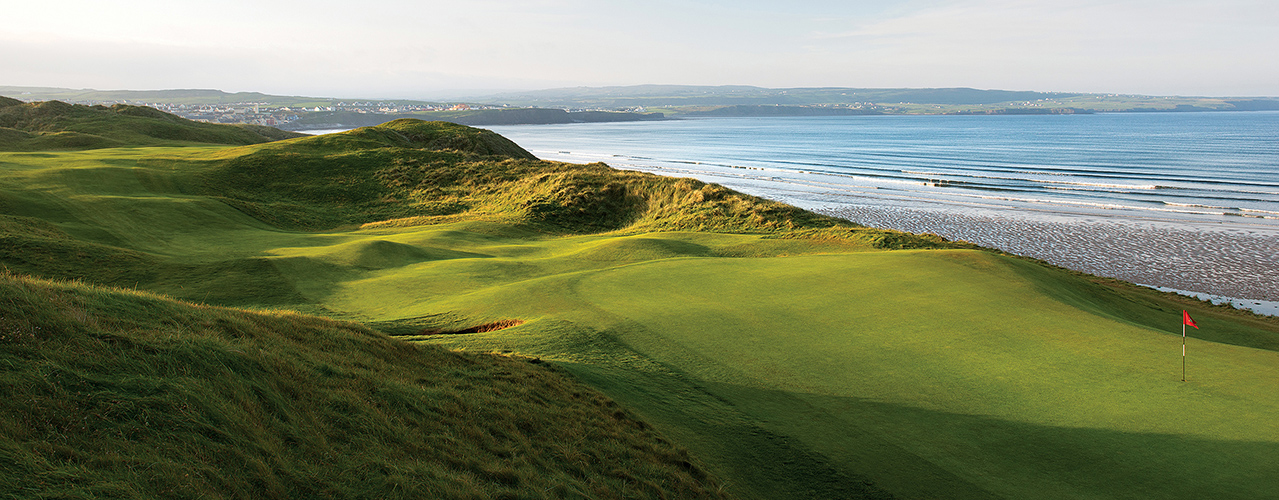
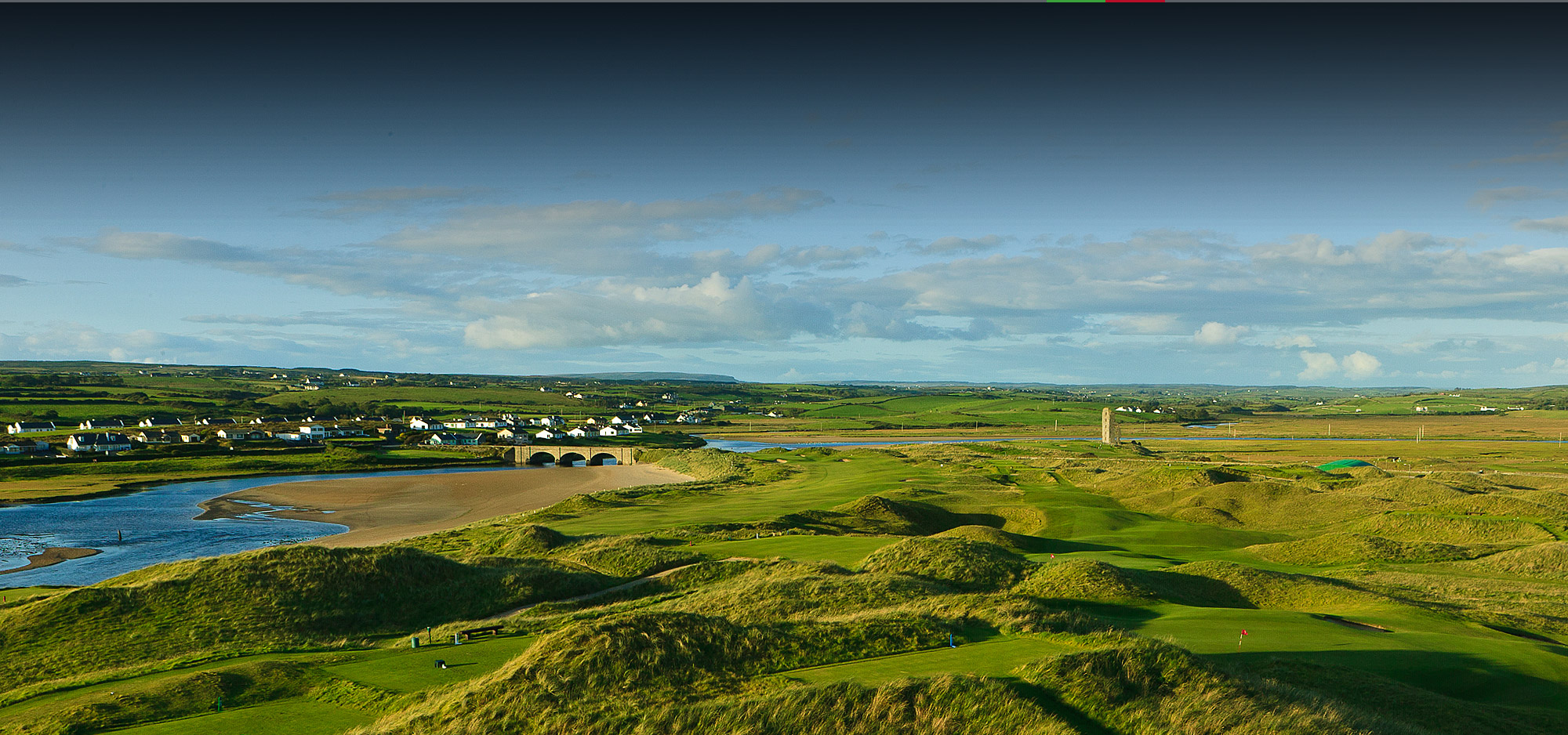
Lahinch sits on the shore of Liscannor Bay in County Clare, where a range of high sand hills runs between the town and the Atlantic. The Old Course is the club’s championship links, routed through and over these dunes, and it is one of the most varied and characterful layouts in Irish golf. Many of its greens sit on raised plateaus, a design feature that shapes almost every approach.
The club was founded on Good Friday 1892 by officers of the Black Watch regiment stationed in Limerick, and Old Tom Morris was involved in laying out the early course. Charles Gibson followed, and in 1927 Alister MacKenzie rebuilt the links, moving holes into the bigger sand hills and introducing his plateau greens. Several of his greens were altered in later decades, and from 1999 Martin Hawtree carried out a restoration that brought back much of the MacKenzie character. The course hosted the Irish Open in 2019, when Jon Rahm took the title.
Two holes from the Morris era, the 4th and 5th, were kept through every redesign and remain the quirkiest on the course. Elsewhere the challenge is more conventional but no less demanding: the fairways tilt and roll, the raised greens shed approach shots that are not struck firmly enough, and the bunkering punishes a drive that drifts. The wind off the Atlantic is rarely absent, so the same hole can need a short iron one day and a long club the next.
Why we recommend it
Lahinch, often called the St Andrews of Ireland, is the heart of any golf trip to County Clare. The Old Course blends classic dunes golf with famous quirks such as the Klondyke, played blind over a huge sand hill, and the Dell, a par three to a green hidden between dunes, and the resident goats are part of the folklore. The shorter Castle Course makes a relaxed second round, and Doonbeg is a short drive down the coast.
Photo gallery
Video
| World ranking | 33 |
| Architect | Old Tom Morris |
| Year of foundation | 1892 |
| Par Course | 72 |
| Number of holes | 18 |