
About the course
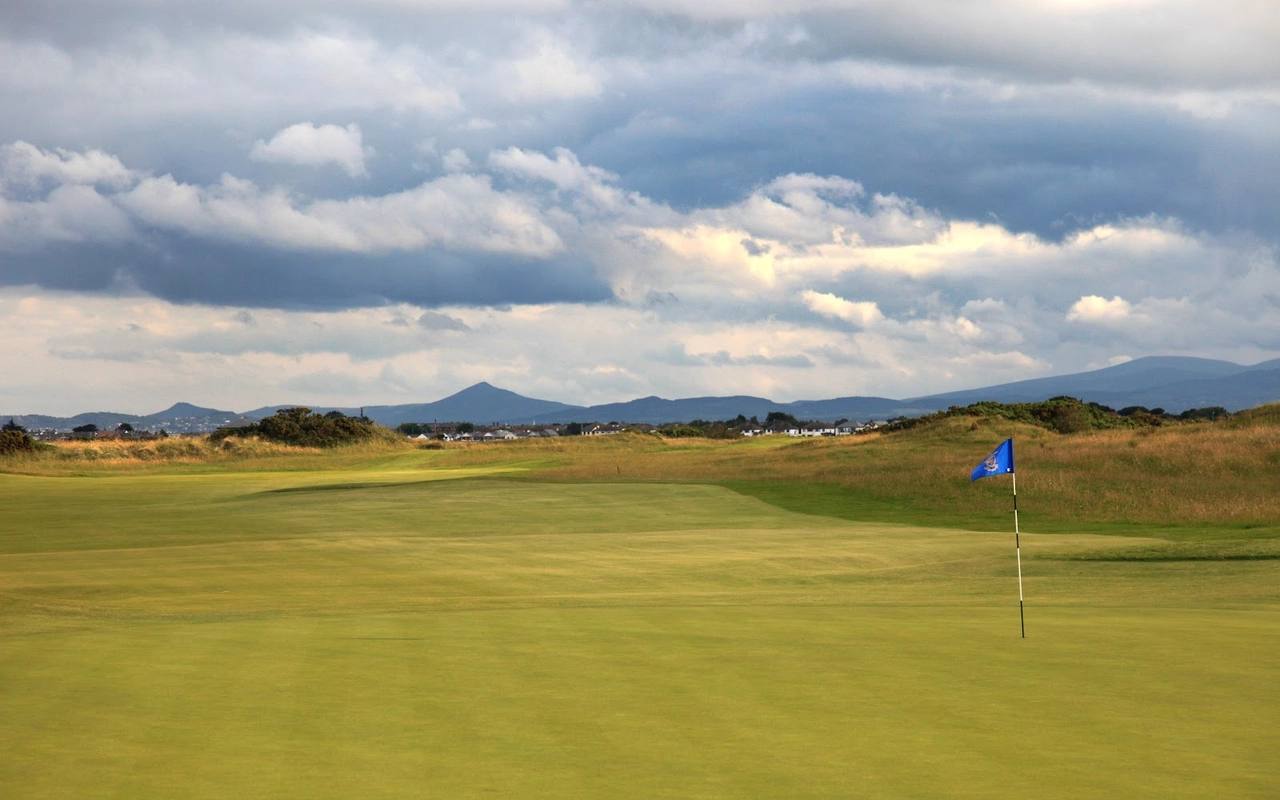
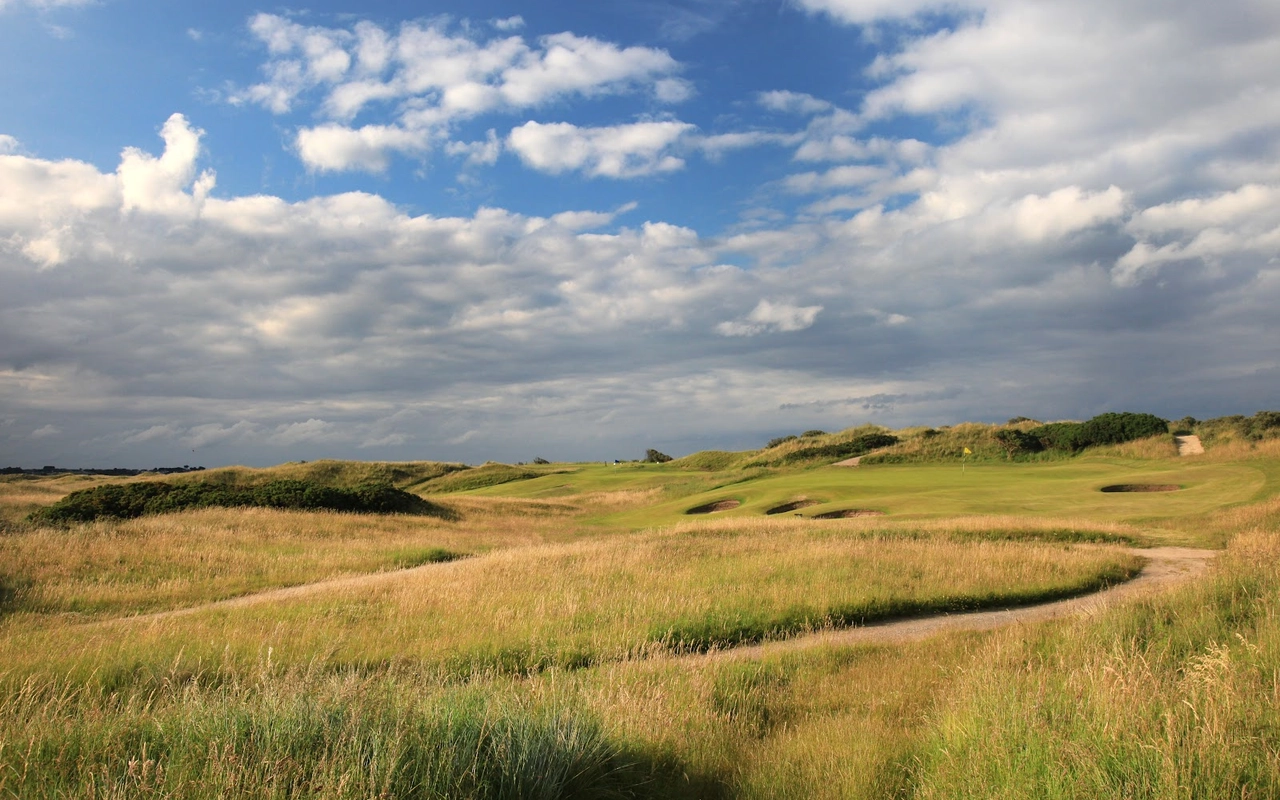
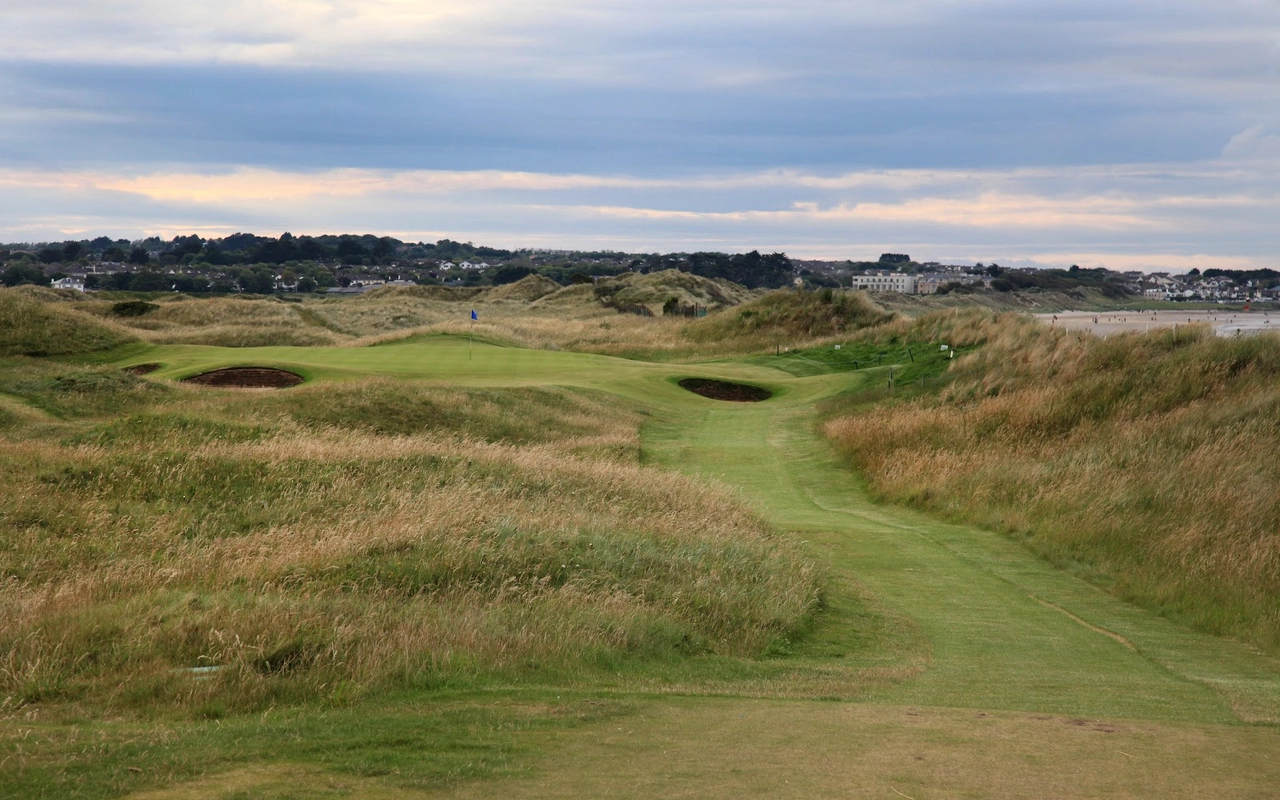
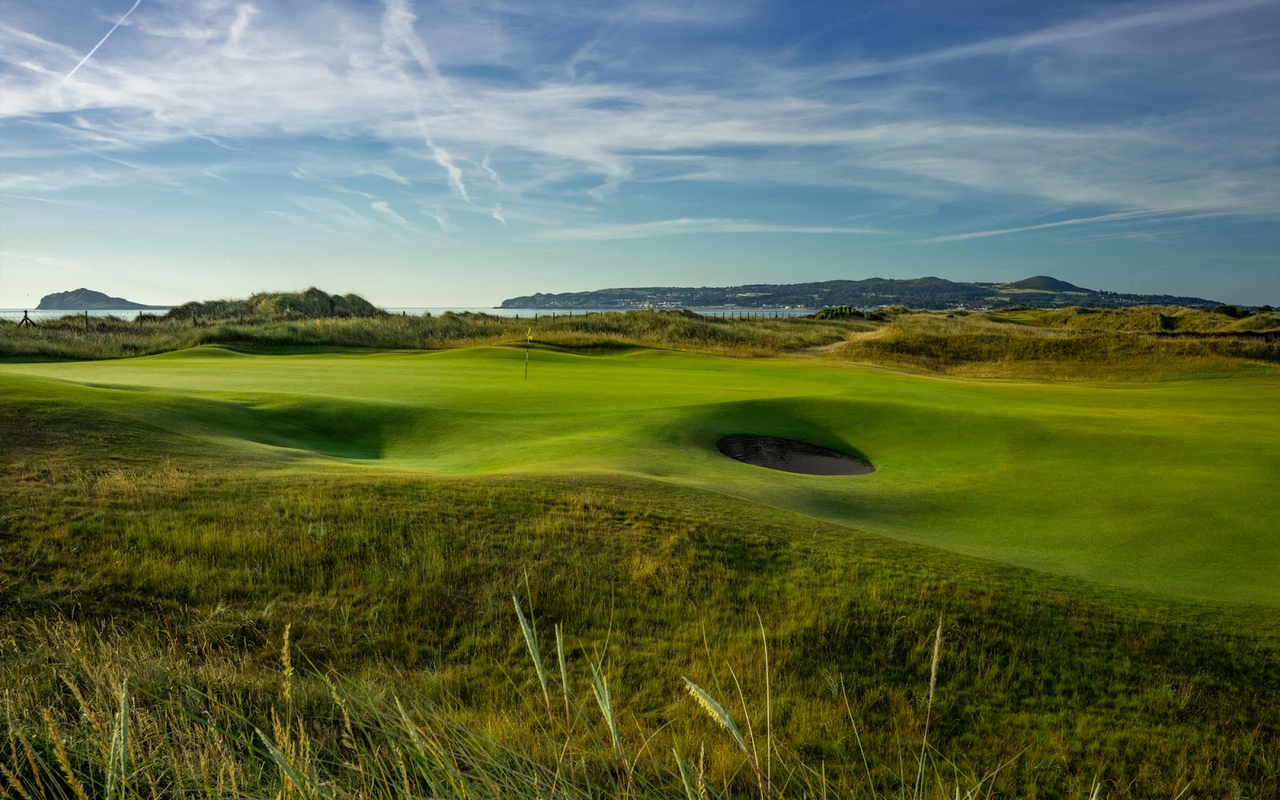
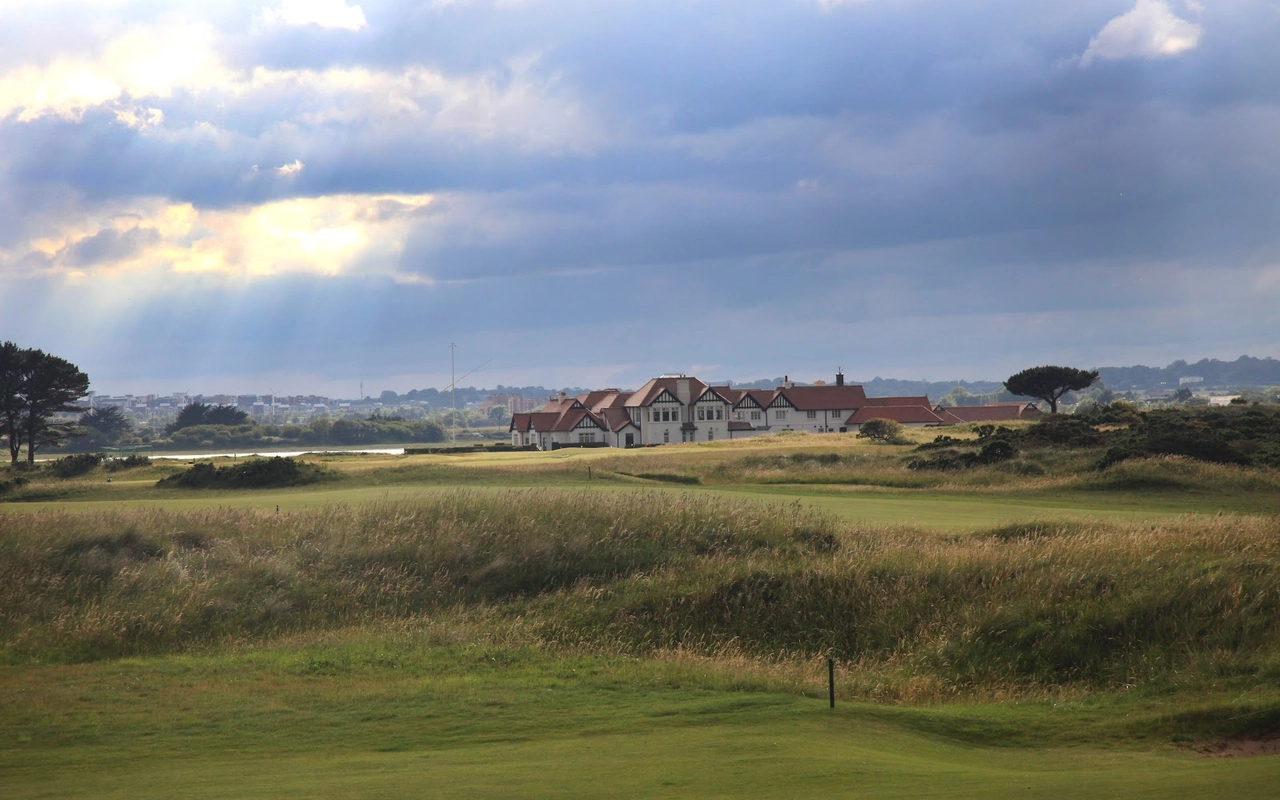
Portmarnock lies on a narrow peninsula of links land a few miles north of Dublin, with the Irish Sea on one side and a tidal estuary on the other. The ground is relatively flat and almost treeless, and the championship course is formed from two of the club’s three nines, which gives it a broad, open look where every hazard is in plain view.
The club owes its existence to William Pickeman and George Ross, who rowed across the estuary from Sutton on Christmas Eve 1893 to inspect the land. The first nine holes opened at the end of the following year and a second nine came two years later, while Fred Hawtree added the third nine in 1971. Few clubs in Ireland have hosted as many big events: Portmarnock has staged the Irish Open many times since the first edition in 1927, as well as the Canada Cup in 1960, the Walker Cup in 1991 and the Amateur Championship in 1949 and 2019.
The routing changes direction constantly, so the wind arrives from a different angle on almost every hole and club selection rarely repeats itself. Fairways are generous by links standards and the greens are large and true, which means a well struck shot is usually rewarded and a poor one is found out.
The 15th, a par 3 played along the shoreline, is the hole visitors remember, and the closing pair of long par 4s demand two solid shots each when the breeze is up.
Why we recommend it
Portmarnock is the links for golfers who value fairness and tradition over drama. Set on a peninsula north of Dublin, it has a natural, understated look, but the revetted pot bunkers and the wind off the sea make it a stern examination of every part of your game. Visitors need to book ahead and show proof of handicap. It is a short drive from Dublin Airport and pairs easily with The Island, Royal Dublin and the Jameson links next door.
Photo gallery

Video
| World ranking | 44 |
| Architect | William Pickeman |
| Year of foundation | 1894 |
| Par Course | 72 |
| Number of holes | 18 |