
About the course
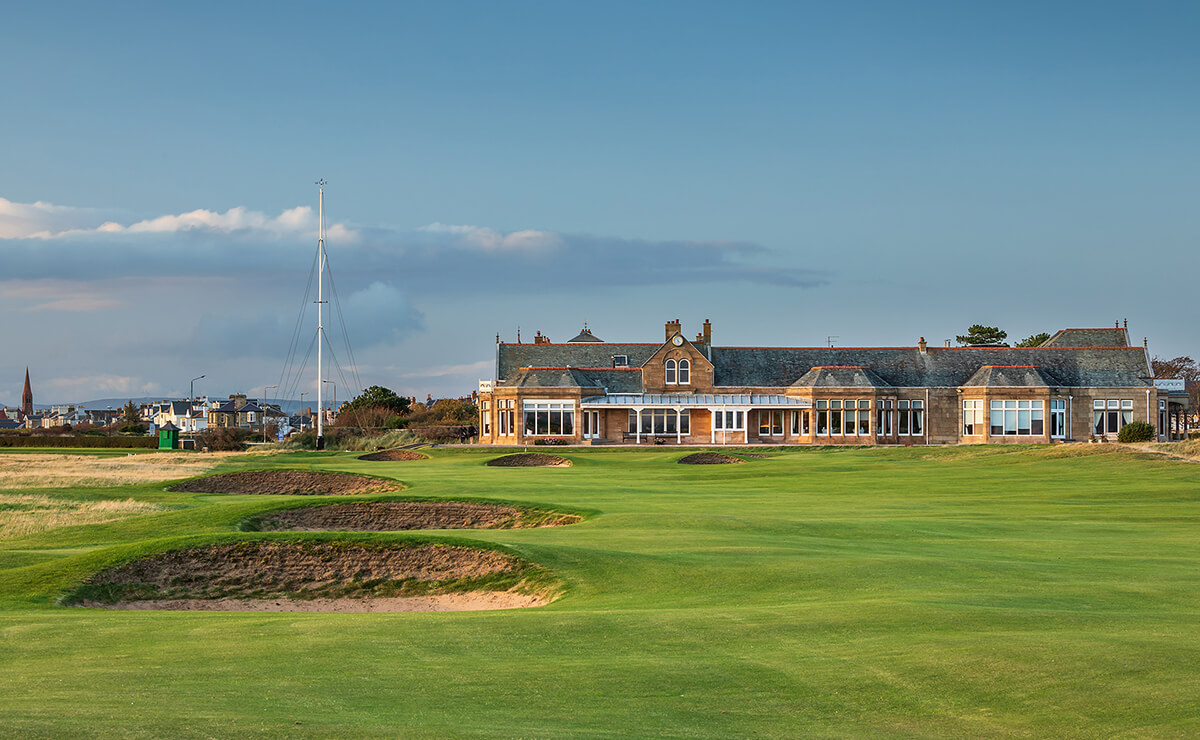
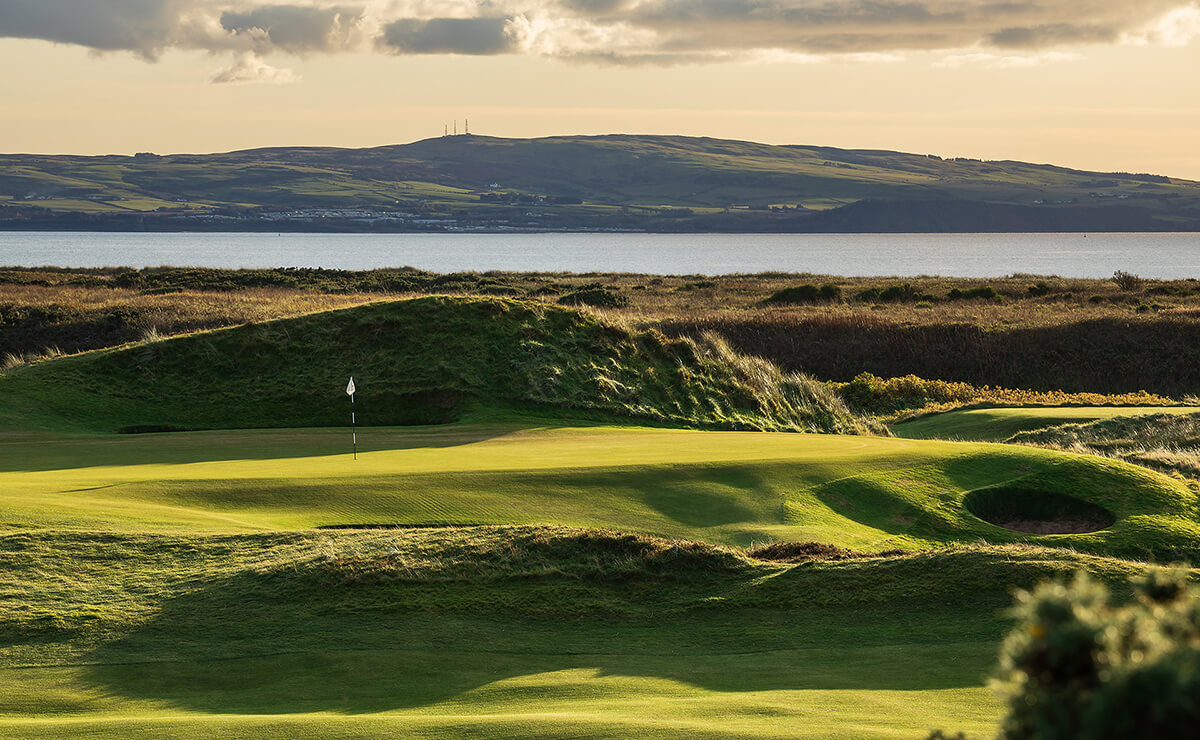
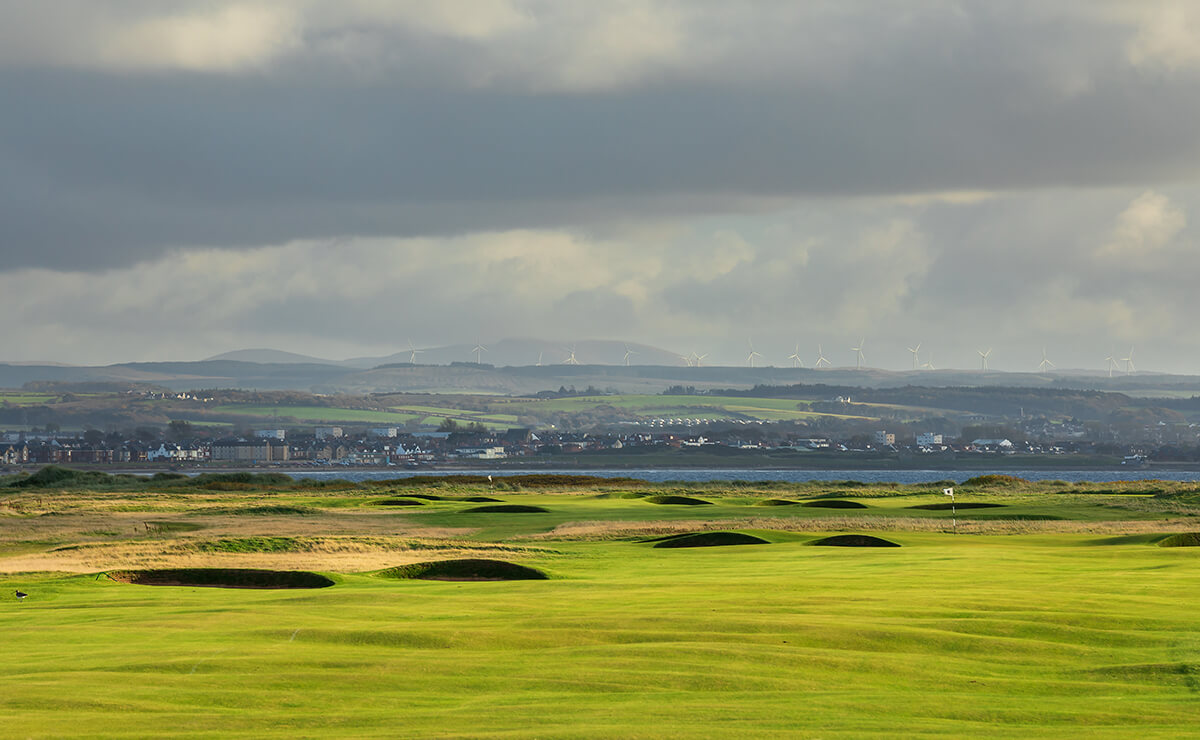
Royal Troon’s Old Course stretches along the Ayrshire shore on the southern side of the town of Troon, looking out across the Firth of Clyde towards the Isle of Arran. It is a traditional out-and-back links of low dunes, gorse, pot bunkers and fescue fairways, with the railway line forming part of the inland boundary. The club also has a second eighteen, the Portland.
The club was founded in 1878 with six holes on local farmland, and George Strath extended the course to eighteen holes over the following decade. Willie Fernie and later James Braid both reshaped parts of the layout. Troon first staged The Open in 1923, when Arthur Havers won, and has hosted the championship ten times in all, most recently in 2024. The club was granted its royal title in 1978, its centenary year.
The eighth, the Postage Stamp, is a par 3 of only about 123 yards, yet its narrow green is ringed by deep bunkers, one of them known as the Coffin. Gene Sarazen holed his tee shot there during the 1973 Open at the age of 71. At the other extreme, the par 5 sixth is one of the longest holes on the Open rota.
The eleventh, the Railway, is a par 4 of over 480 yards with gorse on the left and the railway line close on the right, and it was played as a par 5 for several decades. The rough is thick, the fairways are firm, and holding a line from the tee matters more than raw distance.
Why we recommend it
Royal Troon is the Open venue that best combines a famous name with easy access, just minutes from Glasgow Prestwick Airport. The Old Course starts gently along the beach and turns hard on the way home, often into the wind, and the tiny Postage Stamp green is the shot everyone wants to try. Visitor tee times are limited to certain weekdays and a handicap limit applies, so plan early and pair it with Western Gailes or Prestwick.
Photo gallery


| World ranking | 64 |
| Architect | George Strath, Willie Fernie, James Braid |
| Year of foundation | 1878 |
| Par Course | 71 |
| Number of holes | 18 |